Zdravlje
Watch From Fertilization to Childbirth- 3D Medical Animation here.

Breastfeeding | Know How Does it Work Watch This Video. Like and Subscribe to watch more such videos.

7 Foods to increase testosterone level naturally I Watch this video
Watch The Greatest Race of All Time | Fertilization How it Occurs Video. Discover more such videos here
Watch Foods That Are Good For Digestion . Explore more healthy videos here on Viraltubex.
Know How Gallstones are Formed Inside Gallbladder . Watch More Exclusive Health Related Videos Here.
Watch How Your Body Gives Signals Before Diseases Arrive . Explore different health related videos here on Viraltubex.
Stop These Common Water Drinking Mistakes in 2026
If you don't want to get cancer before you are 50, STOP these 6 habits
Do you know the reason behind your partners addictive smell?
Cigarette or Vaping ? Which is actually killing you faster
What happens to your body when you eat ginger
Eat This To Look 10 years younger | Watch Now
Drinking a cup of coffee in the morning has been shown to lower the risk of developing heart disease. This daily ritual can contribute positively to heart health and is often associated with a variety of benefits.
The microbes that inhabit the gut play a vital role in the process of activating quercetin, which is an important component in the body's defense mechanisms against cancer. These beneficial microorganisms are essential for enhancing the effectiveness of quercetin in contributing to cancer protection.
A gastroenterologist has put forward a recommendation for six snacks that are supported by scientific research to help fight against colon cancer. These snacks have been shown to have properties that may assist in reducing the risk of developing this type of cancer and can be a delicious addition to a healthy diet.
Common remedies to get rid of gas and bloating can be incredibly helpful for those uncomfortable moments. Many people experience this nagging sensation due to various reasons, including diet, overeating, or even stress. Fortunately, there are several simple solutions you can try at home.
First, consider herbal teas. Peppermint, ginger, and chamomile tea are particularly known for their soothing properties. Sipping on a warm cup can help relax the digestive tract and alleviate discomfort. Similarly, incorporating ginger in your meals or consuming ginger candies might also reduce gas production.
Another effective remedy is incorporating probiotics into your diet. Foods like yogurt, kefir, and sauerkraut are packed with beneficial bacteria that can optimize your gut health and ease bloating. If dairy isn't your thing, probiotic supplements can offer a great alternative.
Staying hydrated is crucial too! Drinking plenty of water can help flush out excess sodium, which may contribute to bloating. Plus, hydration supports overall digestion. Just remember to take sips throughout the day rather than guzzling large amounts at once.
Gentle movement can also work wonders. A short walk after meals or practicing yoga poses designed to aid digestion, such as the child's pose or seated twists, can help release trapped gas and stimulate your digestive system.
Lastly, pay attention to your eating habits. Eating slowly, chewing thoroughly, and avoiding carbonated drinks can significantly reduce the amount of air swallowed, preventing that uncomfortable bloated feeling.
With these common remedies, you can tackle gas and bloating head-on, giving you some relief and getting you back to feeling like yourself again.
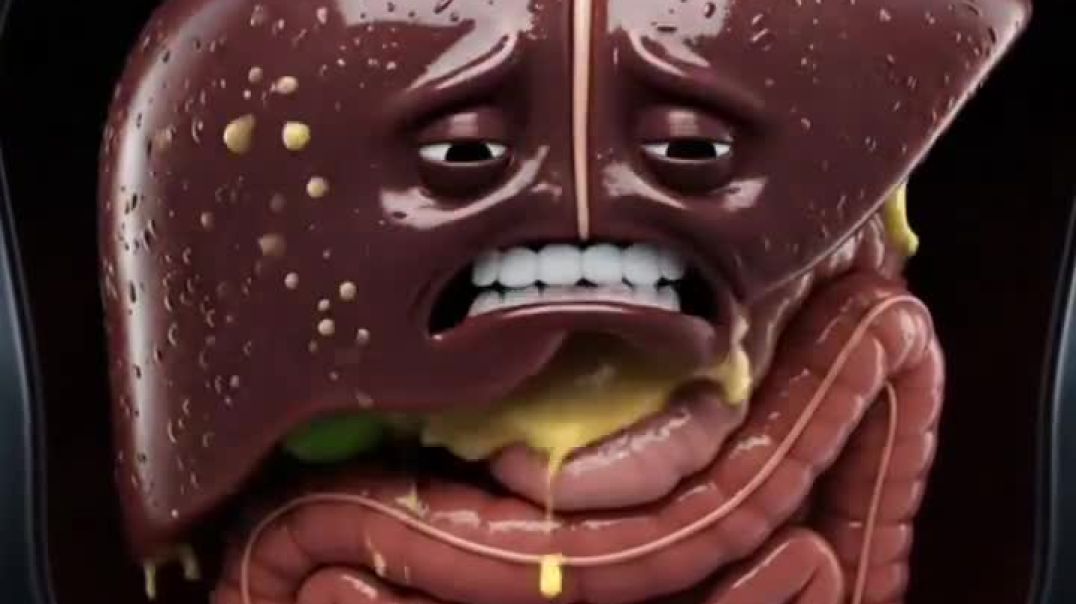
What alcohol really does to your liver is a topic that demands careful consideration. The liver, a resilient organ essential for detoxification, metabolism, and nutrient storage, faces significant challenges when alcohol enters the equation.
When you consume alcohol, your liver prioritizes its metabolism. This process involves converting alcohol into acetaldehyde, a toxic compound that can damage liver cells. Over time, excessive drinking leads to a series of conditions, ranging from fatty liver to more severe issues like hepatitis and cirrhosis. The first stage, alcoholic fatty liver, is often asymptomatic but sets the stage for further damage.
If consumption continues, the liver can become inflamed, resulting in alcoholic hepatitis, characterized by swelling and pain. This condition may become acute, prompting symptoms like jaundice, which marks the accumulation of bilirubin due to the liver’s diminished ability to process it. Chronic inflammation can further progress to cirrhosis, a point of no return where scar tissue replaces healthy liver tissue, severely impacting its function.
Many mistakenly believe that occasional drinking poses little risk, but the effects can escalate over time, especially if combined with other factors like poor diet, obesity, or viral infections. The liver has remarkable regenerative properties, yet it can only withstand so much abuse.
Therefore, understanding these processes is critical. Moderation is key, and awareness of personal limits can go a long way in preserving liver health. Regular check-ups, a balanced diet, and hydration can also support liver function, ensuring that alcohol doesn’t take a toll on this vital organ. Ultimately, your choices today can help determine the liver's fate tomorrow.
He has dedicated his life to uncovering the secrets of longevity, and he insists that incorporating these simple foods into your daily routine can significantly boost your health and help you reach that remarkable age.
First on his list is the humble beet. Packed with antioxidants and essential vitamins, beets are known to improve blood circulation and lower blood pressure. The doctor recommends enjoying them raw in salads or roasted for a hearty side dish.
Next up is the legendary buckwheat. This ancient grain not only supports heart health but also stabilizes blood sugar levels, making it a perfect choice for those looking to maintain a healthy weight. A warm bowl of buckwheat porridge for breakfast will set you on the right path for the day.
Then, the Oldest Doctor swears by fermented foods. Things like sauerkraut and kefir are probiotic powerhouses that aid in digestion and strengthen the immune system. He encourages everyone to start their day with a small serving of kefir – it’s like a liquid gold for your gut!
No Russian diet would be complete without a serving of fish, especially salmon. Rich in omega-3 fatty acids, fish is essential for brain health and reduces inflammation. Aim for a couple of servings a week to keep your mind sharp as you age.
Last but not least, don’t forget about dark chocolate! The doctor believes that a small piece every day can improve heart health and elevate mood, thanks to its high antioxidant content. Just make sure it’s at least 70% cocoa to reap the maximum benefits.
Follow these recommendations from the Russian Oldest Doctor, and you might just find yourself celebrating your 100th birthday with zest and vitality! Embrace these foods, and let them guide you on the path to a longer, healthier life.
In today's fast-paced world, we often find ourselves caught in a cycle of negativity, where the instinct to criticize becomes a reflexive response to our surroundings. This habitual negativity doesn’t just affect our mood; it has tangible effects on our brain health. Research in the field of neuroscience suggests that constant criticism can actually reshape the way our brains function and respond to stimuli.
When we engage in criticism—whether of others, ourselves, or even situations—we activate certain neural pathways that can lead to a detrimental feedback loop. The brain’s reward center is tied closely to our emotional experiences, and when we criticize, it often stems from feelings of dissatisfaction or frustration. This may release stress hormones like cortisol, which, in excess, can be toxic to brain cells and detrimental to overall cognitive function.
Moreover, habitual criticism can inhibit the brain's ability to experience empathy and gratitude, two crucial elements for emotional well-being. Neuroimaging studies show that engaging in positive thinking activates brain areas associated with happiness and satisfaction, whereas a critical mindset is linked to regions associated with stress and anxiety. Over time, this chronic state of negativity can result in a decrease in gray matter volume in areas responsible for emotional regulation, potentially leading to a heightened risk for mental health disorders.
Additionally, constantly focusing on what's wrong can hardwire our brains to seek out problems rather than solutions. This mental pattern not only clouds our judgment but can affect interpersonal relationships, leading to isolation and social disconnection. As humans, we thrive on connection, and fostering a mindset of appreciation rather than criticism can help strengthen social bonds and enhance our overall brain health.
To mitigate these harmful effects, it is essential to practice mindfulness and cultivate a habit of gratitude. Taking a moment to appreciate the good in our lives and focusing on constructive feedback rather than mere criticism can create a healthier mental environment. Just as our physical health benefits from exercise and good nutrition, our brain health flourishes when we choose positivity over negativity.
In this era of heightened criticism—bolstered by social media and the 24-hour news cycle—it's crucial to remember the impact our mindset has on our brain. By consciously adopting a more supportive and understanding approach, we can foster not only our mental resilience but also contribute to a healthier, more harmonious community.