Kalusugan

Foods That Will Improve Sleep Quality Instantly -
If you’ve ever tossed and turned at night, you know how vital a good night's sleep is for overall health and well-being. Luckily, the solution might lie in your kitchen. Certain foods can help you drift off into dreamland with ease. Let’s dive into some of the top options that can enhance your sleep quality starting tonight.
1. **Almonds**: Packed with magnesium, almonds help relax muscles and calm the nervous system. Just a handful before bed can make a world of difference in your sleep.
2. **Kiwi**: This vibrant green fruit is not only delicious but also rich in serotonin and antioxidants. Consuming kiwi has been linked to improved sleep onset, duration, and efficiency.
3. **Turkey**: Thanks to its high tryptophan content, turkey is a well-known sleep inducer. Enjoying a turkey sandwich or a warm turkey stew in the evening may help you feel drowsy and cozy.
4. **Fatty Fish**: Options like salmon and mackerel are excellent sources of omega-3 fatty acids and vitamin D. Studies show that these nutrients can enhance sleep quality, making fatty fish a perfect dinner choice for a restful night.
5. **Oatmeal**: Whole grains like oatmeal can boost melatonin levels, and they contain complex carbohydrates that can increase the availability of tryptophan in the brain. A warm bowl of oatmeal before bed can be both comforting and sleep-promoting.
6. **Chamomile Tea**: This herbal tea has long been celebrated for its calming effects. Chamomile’s sedative properties come from an antioxidant called apigenin, which binds to certain receptors in the brain that help reduce insomnia.
7. **Bananas**: Rich in potassium and magnesium, bananas help relax muscles, while their natural sugars provide a steady energy release. Eating a banana before bed can help you feel calm and ready for sleep.
8. **Cherries**: Cherries, especially tart varieties, are among the few natural food sources of melatonin. A small bowl of these can help regulate your sleep-wake cycle effectively.
Incorporating these sleep-enhancing foods into your nightly routine could transform your sleep experience. So, the next time you’re battling sleeplessness, consider reaching for one of these delicious options to help ease you into a restful night’s sleep. Sweet dreams await!

When it comes to effective and sustainable weight loss, incorporating high fiber foods into your diet can be a game changer. Not only do they help keep you full for longer, but they also promote healthy digestion and can assist in maintaining stable blood sugar levels. Here are the top five high fiber foods that you should consider adding to your meals for natural weight loss.
1. **Chia Seeds**: These tiny powerhouses pack a whopping 10 grams of fiber per ounce! They're incredibly versatile and can be added to smoothies, oatmeal, or yogurt. When absorbed in liquid, chia seeds expand and create a feeling of fullness, making it easier to curb cravings.
2. **Lentils**: A fantastic source of plant-based protein, lentils also offer around 15.6 grams of fiber per cooked cup. They can be tossed into salads, soups, or made into delicious lentil patties. Their hearty texture helps satisfy hunger, making them an excellent option for weight management.
3. **Avocado**: Not just a trendy toast topping, avocados provide around 10 grams of fiber per fruit. Rich in healthy fats, they also offer a creamy texture that can enhance both sweet and savory dishes. Incorporating avocado into your meals can help you feel fuller and more satisfied.
4. **Quinoa**: This super grain not only serves as a complete protein source but also brings about 5 grams of fiber per cooked cup. Whether you use it as a base for bowls, in salads, or even as a side dish, quinoa is a nutritious and filling alternative to traditional grains.
5. **Blackberries**: For those with a sweet tooth, blackberries are a delicious way to up your fiber intake. With about 7.6 grams of fiber per cup, they can be enjoyed on their own, added to yogurt, or blended into smoothies. Their natural sweetness can help satisfy sugary cravings while providing essential nutrients.
Incorporating these high fiber foods into your daily diet can make a significant difference in your weight loss journey. Not only do they help to manage your appetite, but they also provide vital nutrients that support overall health. So, start adding these fiber-rich foods to your meals and watch as you take a step closer to your weight loss goals!

WatchHow To Improve Your Memory -
Memory is a fundamental aspect of our daily lives, influencing how we learn, interact, and navigate the world around us. Fortunately, there are several strategies you can employ to enhance your memory and sharpen your cognitive abilities. Here are some practical tips to help you boost your recall and retention.
1. **Stay Organized**: Keeping your environment tidy and your tasks organized can greatly reduce cognitive overload. Use planners, notebooks, or digital tools to track important dates and tasks. When your life is structured, your brain can focus on remembering the things that truly matter.
2. **Practice Mindfulness**: Mindfulness techniques, such as meditation, help improve concentration and mental clarity. By training your mind to focus on the present moment, you cultivate a sharper memory. Set aside a few minutes daily to practice deep breathing or guided meditation.
3. **Engage in Regular Exercise**: Physical activity is not just beneficial for your body; it has been shown to enhance brain function and memory. Aim for at least 150 minutes of moderate aerobic activity each week to boost blood flow to the brain, which can help with memory retention.
4. **Get Adequate Sleep**: Sleep plays a crucial role in memory consolidation. Without sufficient rest, your brain struggles to process and store new information. Prioritize 7-9 hours of quality sleep each night to maximize your memory potential.
5. **Utilize Mnemonics**: Mnemonic devices are memory aids that help you recall information more easily. Use acronyms, rhymes, or visual imagery to make information more relatable and easier to remember. For example, create a story that incorporates the elements you want to learn.
6. **Stay Mentally Active**: Challenge your brain with puzzles, games, or new skills. Activities such as crossword puzzles, Sudoku, or learning a new language stimulate the brain, promoting neuroplasticity—the brain's ability to form new connections and pathways.
7. **Eat a Brain-Healthy Diet**: Nutrition plays a vital role in cognitive health. Include foods rich in antioxidants, good fats, vitamins, and minerals. Omega-3 fatty acids found in fish, nuts, and seeds are particularly beneficial for brain function. Don’t forget to stay hydrated as well!
8. **Socialize Regularly**: Interaction with friends and family helps keep your mind sharp. Engaging in conversations can stimulate your brain and enhance your memory. Make it a point to connect with those around you, whether through casual outings or structured activities.
9. **Limit Multitasking**: While it may seem efficient, multitasking can actually hinder your ability to retain information. Focus on one task at a time, giving it your full attention before moving on to the next. This approach will make it easier to remember what you’ve learned.
10. **Practice Repetition**: Repetition is a powerful tool when it comes to transferring information into long-term memory. Review what you want to remember regularly, whether it's through summarizing notes, teaching someone else, or reciting information aloud.
By incorporating these strategies into your daily routine, you can significantly enhance your memory capabilities. Remember, improving your memory is a gradual process that requires consistency and dedication, but the rewards of a sharper mind are well worth the effort. Start today, and empower yourself with the ability to recall the things that matter most to you.

You Will NEVER Eat Sugar Again After This Shocking Truth! Imagine waking up every morning feeling energized, light, and alive, free from the chains of sugar addiction that keep so many of us trapped. The truth that will make you rethink your relationship with sugar is more shocking than you can imagine.
Did you know that sugar is not just a harmless treat, but a stealthy saboteur of your health? Yes, it’s true! This white powder is often linked to a host of ailments—obesity, diabetes, heart disease, and even certain types of cancer. It hijacks your brain's pleasure centers, making you crave just one more bite, over and over again, until you find yourself in a vicious cycle that feels impossible to break.
Imagine a life devoid of these cravings, where every meal fuels your body rather than weighing you down. Research has shown that cutting sugar from your diet can significantly reduce inflammation, lead to weight loss, and enhance your mental clarity. Your body will thank you, and the energy levels you experience will be off the charts!
But the shocking part is that sugar is hidden in so many everyday foods. Check your labels—ketchup, salad dressings, bread! It’s everywhere, and these sneaky additions can rack up your daily intake without you even realizing it. Once you start to peel back the layers and see how pervasive sugar is in processed foods, you might just feel betrayed by the very items you thought were harmless.
Now, picture this: you walk down the aisles of your grocery store, armed with knowledge and determination. You skip over the sugary snacks, the enticing pastries, and the sugary cereals that once tempted you. Instead, you fill your cart with nature's sweets: fresh fruits, vibrant vegetables, whole grains, and lean proteins. This isn't just a diet—this is a lifestyle change!
Join the countless others who have opened their eyes to the truth about sugar's toxicity. Discover the joy of cooking from scratch, knowing exactly what goes into your meals. Watch as your cravings dissipate and a newfound vitality takes their place.
So, are you ready to step into a world where sugar has no hold over you? The decision is in your hands. Say goodbye to sugar and hello to a healthier, happier you—because once you uncover the shocking truth, you won’t want to look back!

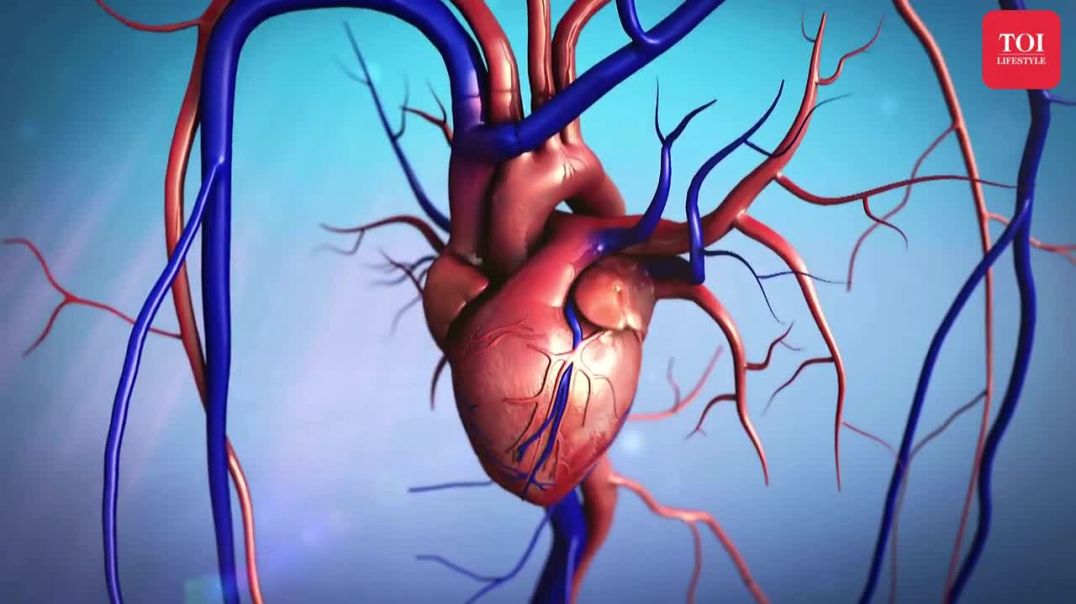
Know Your Genes to Prevent Early Heart Disease -
Understanding your genetic predisposition can be a game-changer in the fight against early heart disease. Our genes play a crucial role in determining our risk factors—everything from cholesterol levels and blood pressure to how our bodies metabolize fats and sugars. By recognizing these genetic markers, individuals can take proactive steps toward heart health that may include lifestyle changes, medical interventions, and regular monitoring.
Consider the role of family history. If early heart disease has affected close relatives, it could signify a hereditary pattern that deserves attention. Genetic testing can offer insights into specific risks, enabling you to make informed decisions about your diet and exercise regimes. For instance, those with a family history of hyperlipidemia may need to monitor their cholesterol levels more closely and adopt heart-healthy eating habits sooner.
Moreover, knowing your genes can empower you to engage in preventive measures tailored to your unique genetic background. Regular check-ups can become more targeted, focusing on aspects of health that are most relevant to you. This personalized approach maximizes the efficacy of interventions and can even help in forming a supportive network of healthcare providers who understand your specific needs.
Additionally, education plays an integral role. Gaining knowledge about concepts like epigenetics—how environmental factors can influence gene expression—arms you with the tools to mitigate risks. Small lifestyle adjustments, such as dietary modifications rich in antioxidants and regular physical activity, can significantly reduce the likelihood of heart disease even if you carry certain genetic markers.
In essence, to effectively prevent early heart disease, it’s not just about understanding your genetic risks but also about acting upon that knowledge. By paying close attention to your body and maintaining an open line of communication with healthcare professionals, you can navigate the complexities of genetics and heart health. It’s about turning information into action and transforming potential predispositions into proactive strategies for a longer, healthier life.
Video Courtesy - India Today

7 Tips For Preventing Heart Blockages Naturally :-
Heart blockages can pose serious health risks, but with a proactive approach, many individuals can take steps to minimize their chances of developing cardiovascular issues. Here are seven effective tips for preventing heart blockages naturally:
Adopt a Heart-Healthy Diet: Focus on consuming a balanced diet rich in fruits, vegetables, whole grains, lean proteins, and healthy fats. Foods high in omega-3 fatty acids, like salmon and walnuts, can help reduce inflammation and improve heart health. Limiting processed foods, saturated fats, and sugar is equally crucial.
Stay Physically Active: Regular exercise plays a vital role in maintaining cardiovascular health. Aim for at least 150 minutes of moderate aerobic activity or 75 minutes of vigorous exercise per week. Incorporating activities like walking, swimming, or cycling can strengthen your heart and improve circulation.
Maintain a Healthy Weight: Keeping a healthy weight reduces the strain on your heart and lowers the risk of diabetes and high cholesterol, which can contribute to blockages. Focus on gradual weight loss through a combination of diet and exercise, rather than drastic measures.
Manage Stress Levels: Chronic stress may lead to unhealthy habits and increase the risk of heart disease. Practice stress management techniques such as yoga, meditation, or deep-breathing exercises. Taking time for hobbies and relaxation can also enhance your overall well-being.
Get Enough Sleep: Quality sleep is essential for cardiovascular health. Aim for 7-9 hours of rest each night. Poor sleep can contribute to obesity and high blood pressure, both of which increase the risk of blockages. Establish a bedtime routine to improve sleep quality.
Stay Hydrated: Proper hydration is crucial for maintaining optimal blood circulation and overall heart function. Drinking enough water helps in the transport of nutrients and oxygen throughout the body. Aim for at least eight glasses a day, adjusting based on your activity level and climate.
Avoid Smoking and Limit Alcohol: Smoking is a significant risk factor for heart disease, as it damages blood vessels and reduces oxygen flow. If you smoke, consider reaching out for support to quit. Additionally, if you consume alcohol, do so in moderation, as excessive drinking can lead to high blood pressure and other heart issues.
By incorporating these tips into your daily routine, you can take proactive steps toward maintaining a healthy heart and preventing blockages. Remember that these lifestyle changes not only benefit your heart but also enhance your overall quality of life.

The red flag symptoms of dehydration that you may not be aware of can manifest in surprising ways. While most of us are familiar with the common signs like thirst and dry mouth, there are more subtle indicators that can often go unnoticed.
One such symptom is fatigue or lethargy; when your body lacks sufficient fluids, it can lead to an overall sense of tiredness. You might find it difficult to concentrate or feel unusually irritable. These cognitive shifts are often brushed off as stress or lack of sleep, but they could be your body's way of signaling that it needs hydration.
Another sneaky clue can be the color of your urine. While a pale yellow usually indicates proper hydration, a dark yellow or amber hue can suggest that your body is in desperate need of fluids. Don’t ignore the body’s gentle prompts—pay attention to what your urine is telling you.
Moreover, dry skin can also be a warning sign. If your skin feels rough or loses its elasticity, it might be time to refocus on your water intake. Dehydration can lead to a decrease in skin turgor, making it less supple and prone to irritation.
In some cases, headaches can develop as a result of inadequate hydration. You may confuse them with tension headaches, but they can be tied directly back to thirst. Missing the hydration mark can affect vascular function, leading to discomfort in your head.
Lastly, a feeling of dizziness or lightheadedness, especially when standing up quickly, could be an alarming symptom of dehydration. This occurs due to a drop in blood volume, which can make you feel faint. If you experience these sensations frequently, it is crucial to assess your fluid intake.
Awareness of these red flag symptoms can be key to maintaining your health. Remember, drinking water throughout the day, not just when you feel thirsty, can make a significant difference in how you feel overall. Stay proactive about hydration, and your body will thank you.

Start by embracing a few simple but powerful techniques that can transform the way you recall information. One effective method is the use of mnemonics, which are memory aids that help you link new information with familiar concepts. Think of acronyms, rhymes, or visual images that allow you to create a strong connection in your mind.
Another valuable strategy is spaced repetition. Instead of cramming all your study material into one sitting, break it up over time. This technique leverages the spacing effect, which states that information is more easily remembered when it’s studied at intervals rather than in a single session. Set a schedule that allows for revisiting the material after increasing gaps of time to reinforce your memory.
Engaging all your senses can also substantially bolster your memory. Try to involve auditory, visual, and tactile elements when learning something new. For example, if you’re studying a language, listen to audio lessons, read aloud, and even write down vocabulary words by hand. This multisensory approach creates stronger neural connections in your brain.
Don’t forget the importance of a healthy lifestyle, as physical well-being directly influences cognitive function. Regular exercise, a balanced diet rich in antioxidants and brain-boosting nutrients, proper hydration, and sufficient sleep contribute to optimal memory performance. Aim for at least seven to eight hours of quality sleep each night, as this is when your brain solidifies and organizes memories.
Lastly, stay mentally active! Challenge your brain with puzzles, games, reading, or learning new skills or hobbies. The more you stimulate your mind, the sharper your memory will be. Remember, a resilient memory is built on consistent practice and a commitment to nurturing your cognitive health. Implement these strategies, and watch your memory improve dramatically!
How to recover post-heart attack